


Komodo tour National Park: Respecting the Environment
Nestled in the heart of Indonesia’s Lesser Sunda Islands, Komodo National Park is a breathtaking natural wonder where ancient landscapes, diverse marine life, and legendary Komodo dragons coexist in delicate harmony. This UNESCO World Heritage Site attracts thousands of visitors each year who come to experience its beauty through a Komodo island trip or a scenic Komodo boat trip. Yet, as more people discover this paradise, the importance of respecting the environment becomes greater than ever.
A visit to Komodo National Park is not just about exploration—it’s about responsibility. Every traveler plays a role in preserving this fragile ecosystem for future generations.
A Natural Treasure Worth Protecting
Established in 1980, Komodo National Park spans over 1,700 square kilometers of land and sea. It was initially created to protect the Komodo dragon, the world’s largest living lizard, but has since become a vital conservation area for both terrestrial and marine biodiversity.
From its volcanic hills and dry savannahs to its coral reefs and crystal-clear waters, the park is a living example of nature’s balance. During your Komodo tour, you’ll witness a stunning variety of life—deer grazing under tamarind trees, sea eagles soaring above turquoise bays, and manta rays gliding through underwater canyons.
However, this harmony is delicate. Tourism, pollution, and climate change pose real threats to the park’s ecosystems. That’s why respecting the environment during every Komodo island trip is not just encouraged—it’s essential.
Understanding Komodo’s Fragile Ecosystem
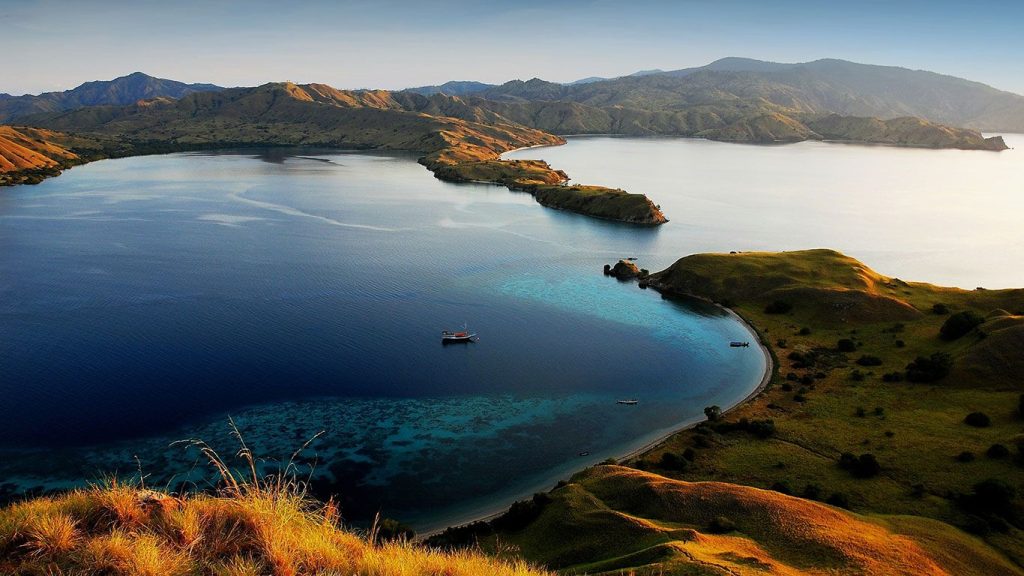
The landscape of Komodo National Park may appear rugged, but it is surprisingly vulnerable. The islands are characterized by a dry tropical climate, with limited freshwater sources and fragile soils that can easily erode. Over-tourism and improper waste disposal can quickly damage this unique environment.
On the marine side, the park is home to some of the richest coral reefs in the world. These reefs are crucial not only for marine species but also for local communities who depend on fishing. Even small actions—like stepping on corals or leaving plastic waste behind—can cause long-lasting harm.

When you embark on a Komodo boat trip, it’s important to choose eco-conscious tour operators who follow sustainable practices, such as proper waste management, reef-safe sunscreen, and minimal fuel pollution.
Respecting Komodo’s ecosystem means leaving it as untouched as possible—just as nature intended.
Responsible Encounters: The Komodo dragon tour
A Komodo dragon tour is one of the highlights of visiting the park. These fascinating creatures, which can reach up to 3 meters in length, are both majestic and powerful. Watching them in their natural habitat is an unforgettable experience, but it must be done with care and respect.
Always follow the guidance of local rangers during your Komodo tour. Keep a safe distance, avoid feeding the dragons, and never stray from marked trails. Human interference not only endangers visitors but also disturbs the dragons’ natural behavior.
By observing these rules, travelers can enjoy safe, sustainable encounters while contributing to the ongoing conservation of this remarkable species.

Sustainable Travel: Choosing the Right Komodo Tour
As the popularity of Komodo grows, so does the number of available tour options. Whether you’re joining a group excursion or booking a private Komodo boat trip, your choice of operator can make a significant difference.
Look for companies that:
- Employ local guides and staff, supporting the local economy.
- Limit group sizes to reduce environmental impact.
- Follow strict waste management and no-littering policies.
- Educate travelers about conservation and responsible behavior.
Some eco-friendly tours even use solar-powered boats or biodegradable materials, minimizing pollution in Komodo National Park. These sustainable choices not only protect the park but also enhance your overall experience, allowing you to explore responsibly while supporting communities that depend on eco-tourism.

Minimizing Your Footprint on a Komodo Island Trip
Even simple, mindful actions can make a big difference during your Komodo island trip. Here are a few ways to minimize your environmental footprint while exploring:
- Avoid Single-Use Plastics: Bring a reusable water bottle, eco-bag, and metal straw. Plastic waste is one of the biggest threats to Komodo’s marine life.
- Stay on Marked Trails: Prevent soil erosion and protect fragile plants by sticking to established paths.
- Respect Wildlife: Observe animals quietly without disturbing their habitat.
- Use Reef-Safe Sunscreen: Many sunscreens contain chemicals that harm corals. Choose eco-friendly alternatives.
- Take Only Memories: Don’t collect shells, coral, or rocks as souvenirs. Leave everything for nature to thrive.
By practicing these small steps, you become part of the solution—helping to preserve Komodo’s pristine environment for generations to come.
The Role of Local Communities
The heart of Komodo National Park isn’t just its wildlife—it’s also the people who live nearby. The fishing villages of Komodo, Rinca, and Papagarang have coexisted with the park’s ecosystem for centuries. Local communities play a vital role in maintaining ecological balance, from protecting coral reefs to guiding eco-tours.
When visiting these villages as part of your Komodo tour, show respect for local customs and support the community by purchasing local products or enjoying traditional meals prepared by residents. Your participation helps sustain livelihoods and encourages locals to continue protecting their environment.
Responsible tourism isn’t just about protecting nature—it’s also about valuing the people who share it with us.
Preserving Marine Life: The Hidden World Beneath
One of the main highlights of any Komodo boat trip is diving or snorkeling among some of the most biodiverse reefs in the world. Komodo National Park lies at the intersection of the Indian and Pacific Oceans, creating nutrient-rich currents that support an abundance of marine life—from manta rays and sea turtles to colorful corals and tiny seahorses.
However, this underwater paradise is sensitive to human activity. Anchoring boats on coral, touching marine life, or using non-biodegradable products can cause irreversible damage. Responsible diving operators use mooring buoys instead of anchors and educate divers about marine etiquette.
Respecting the ocean is just as important as respecting the land. Each visitor who chooses sustainable practices contributes to the preservation of Komodo’s marine ecosystems.
Education and Awareness: The Path to Long-Term Protection
Conservation begins with awareness. Many local organizations and park authorities work tirelessly to educate visitors and communities about sustainable practices. By learning more about Komodo’s geology, wildlife, and cultural heritage, you gain a deeper appreciation for its significance.
Join conservation tours or workshops during your Komodo island trip to understand how local rangers monitor wildlife, restore coral reefs, and manage waste. Supporting these initiatives ensures that Komodo National Park continues to thrive as both a natural wonder and a global model of responsible tourism.
Conclusion: Protect What You Love
Visiting Komodo National Park is a privilege—a rare opportunity to witness nature in its purest form. From trekking through dragon-inhabited valleys to sailing across turquoise seas, every moment on your Komodo island trip reminds you of the planet’s beauty and fragility.
To truly appreciate this paradise is to protect it. By traveling responsibly, supporting local conservation efforts, and respecting both wildlife and people, you become part of a global movement to safeguard our natural heritage.
Your Komodo tour isn’t just an adventure—it’s a statement of respect. Together, travelers and locals can ensure that the wonders of Komodo National Park remain alive for generations yet to come.
