



When travelers imagine the Komodo National Park, one creature immediately comes to mind — the legendary Komodo dragon tour. As the largest living lizard on Earth, this ancient predator attracts thousands of visitors each year eager to witness its raw power and prehistoric charm. However, before you embark on your Komodo island trip, it’s essential to understand the behavior of Komodo dragons — how they live, hunt, and interact with their environment.
Whether you’re taking a Komodo boat trip or joining a guided Komodo dragon tour, knowing what to expect enhances not only your safety but also your appreciation for these incredible creatures that have roamed the Indonesian islands for millions of years.
Understanding the Komodo Dragon tour
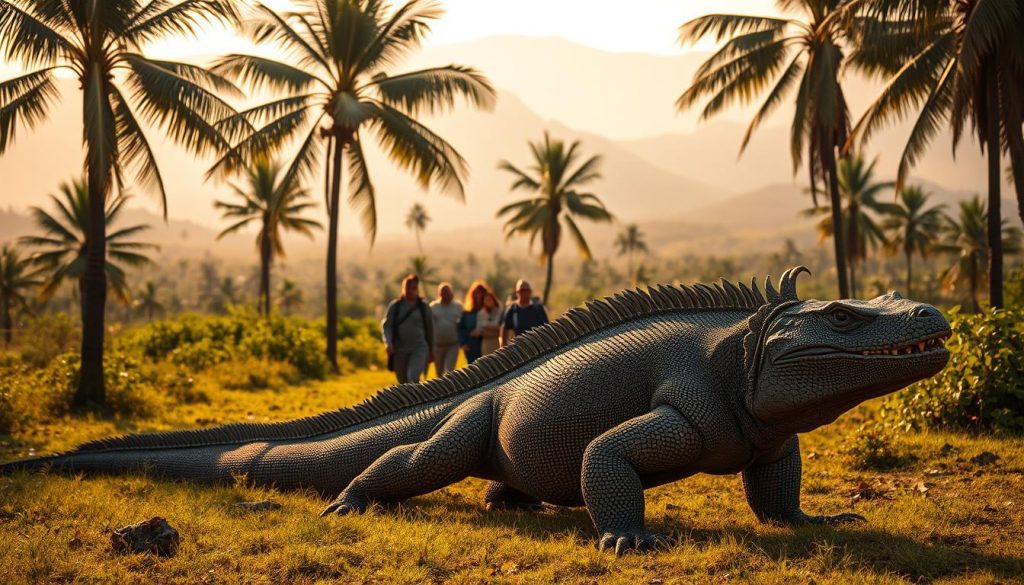
The Komodo dragon (Varanus komodoensis) is a reptile species found only in Indonesia, primarily within Komodo National Park, which includes the islands of Komodo, Rinca, Padar, and several smaller islets. These islands’ rugged terrain and dry climate provide the perfect habitat for these massive lizards.
Adult Komodo dragons can grow up to 3 meters (10 feet) long and weigh more than 70 kilograms (150 pounds). Despite their size, they are stealthy hunters with a keen sense of smell and remarkable patience. Their behavior combines the intelligence of a top predator with the instincts of a survivor, making them one of the most fascinating animals to observe in the wild.
Territorial and Solitary Nature
One of the most important things to understand before your Komodo dragon tour is that these creatures are highly territorial and generally solitary. Adult males, in particular, maintain large territories that they defend from rivals.
You’ll often see Komodo dragons basking under the sun in open spaces, conserving energy before they head out to hunt or patrol their territory. When two males encounter each other, they may engage in dramatic dominance battles, standing on their hind legs and wrestling to establish control.
During your Komodo island trip, your guide will ensure you keep a safe distance during any such encounters — these behaviors, though rare, are powerful and best admired from afar.
Hunting and Feeding Habits

Komodo dragons are carnivorous predators and scavengers, with hunting behaviors that demonstrate patience, strategy, and strength. They primarily feed on deer, wild boar, water buffalo, and smaller animals like birds or monkeys.
Rather than chasing their prey, Komodo dragons often rely on stealth. They wait motionless for hours, ambushing their target with a sudden burst of speed. Once they strike, their serrated teeth and powerful jaws can inflict deep wounds.
Scientists once believed the Komodo’s bite was deadly due to bacteria, but research shows they actually possess venom glands that release toxins, causing a drop in blood pressure and shock in their prey. After the initial attack, the dragon may follow the injured animal for hours — or even days — until it collapses.
If you’re lucky, your Komodo dragon tour might give you a glimpse of these fascinating hunting tactics, though most encounters are peaceful and observational.
Diet and Feeding Frenzy
When food is available, Komodo dragons can consume up to 80% of their body weight in one meal. They use their long, forked tongues to locate carcasses from kilometers away. Feeding time often becomes a chaotic scene — dragons gather, growling and hissing as they compete for food.
Guides at Komodo National Park will emphasize that visitors must never feed the dragons, as this can alter their natural behavior and make them more aggressive. Observing them feed in the wild is an unforgettable experience that shows just how powerful and ancient these creatures are.
Social Hierarchy and Mating Behavior
While Komodo dragons live solitary lives for most of the year, they become more social during the mating season, which usually occurs between May and August. Males compete for females in ritual combat, and the victor earns the right to mate.
After mating, females dig nests where they lay around 15–30 eggs, which incubate for about eight months. Interestingly, female dragons sometimes exhibit parthenogenesis — a rare phenomenon that allows them to reproduce without males.
If your Komodo boat trip happens during the nesting season, you may see females guarding their nests, fiercely defending them from intruders, including other dragons. It’s another reminder of how complex and instinct-driven these creatures truly are.
Daily Life and Movement Patterns
Komodo dragons are diurnal, meaning they are most active during the day. Mornings are often spent basking in the sun to warm up their bodies after the cool night. As the temperature rises, they retreat into shade or burrows to avoid overheating.
Their movement is slow and deliberate, but when needed, they can sprint at speeds of up to 20 km/h (12 mph) over short distances. They are also strong swimmers, capable of crossing between islands — an incredible feat considering their size.
During your Komodo tour, most sightings occur during these morning hours, when dragons are visible along open trails or resting near ranger stations.
Safety Tips for Visitors
Encountering a Komodo dragon in the wild is one of the most thrilling parts of any Komodo island trip, but safety should always come first. The park’s rangers are highly trained and accompany all visitors to ensure a safe and educational experience.
Here are some important safety guidelines to remember during your Komodo dragon tour:
- Keep a safe distance — at least 5 meters from any dragon.
- Never walk alone — always stay with your guide and group.
- Avoid sudden movements or running, as dragons may interpret this as prey behavior.
- Do not feed or provoke the dragons.
- Stay calm and follow the ranger’s instructions at all times.
These simple precautions ensure a safe, respectful encounter that allows you to appreciate the dragons without disturbing their natural behavior.
The Role of Komodo National Park in Conservation

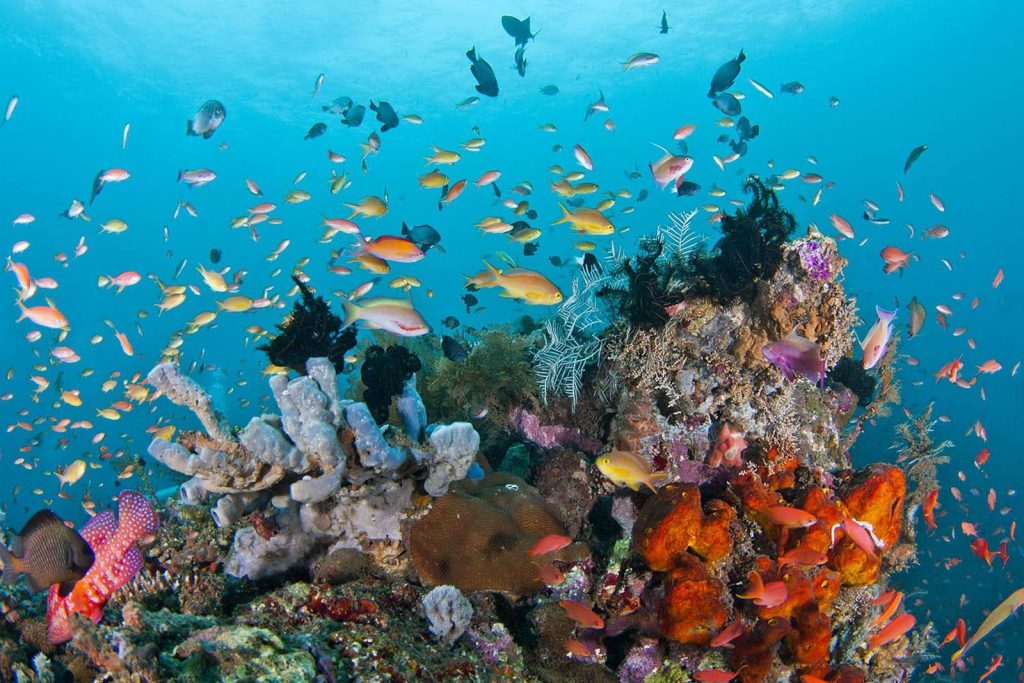
Komodo National Park, established in 1980, plays a critical role in protecting the Komodo dragon and its habitat. The park is not just a haven for dragons but also for coral reefs, mangroves, and hundreds of other species.
Tourism provides essential funding for conservation, but it must be managed responsibly. Sustainable Komodo tours and eco-friendly Komodo boat trips help minimize environmental impact while supporting local communities.
Visitors are encouraged to travel mindfully — avoid littering, use reef-safe sunscreen, and respect wildlife. Every responsible traveler contributes to the long-term survival of these magnificent creatures and the preservation of their island home.
Why Komodo Dragon Behavior Matters
Understanding Komodo dragon behavior isn’t just about safety — it’s about respect. These reptiles are living fossils, offering a rare glimpse into a world that existed long before humans. Watching a dragon patrol its territory or bask under the sun is like stepping back in time.
By learning how they live, hunt, and survive, travelers gain a deeper appreciation for the balance of nature that Komodo National Park works so hard to protect.
Conclusion: Encounter the Wild, Respect the Ancient
A Komodo island trip is more than just an adventure — it’s a journey into the world of Earth’s last dragons. Observing their powerful movements, calculated patience, and raw instincts up close is a reminder of nature’s untamed beauty.
When you embark on your Komodo boat trip or join a guided Komodo dragon tour, remember that you are stepping into their territory. Approach each encounter with curiosity and respect, and you’ll experience one of the most extraordinary wildlife moments on the planet.
The Komodo dragon is not just a symbol of Indonesia — it’s a living legend, a testament to evolution, and a creature that embodies the wild spirit of Komodo National Park.
